
If your lawn looks thin, struggles to absorb water, or feels hard underfoot, soil compaction may be the problem. At Rish's Complete Lawn Care, we provide professional lawn aeration services for homeowners across Warrington, Doylestown, Hilltown, and throughout Bucks County. Core aeration removes small plugs of soil from your lawn, creating channels that allow air, water, and nutrients to reach the root zone where they are needed most.
Aeration is one of the simplest ways to improve lawn health without tearing the yard up. It is especially useful on Bucks County properties with clay-heavy soil, pet traffic, or years of mower compaction. We often recommend pairing it with lawn care treatments and overseeding so thin areas fill in more evenly.
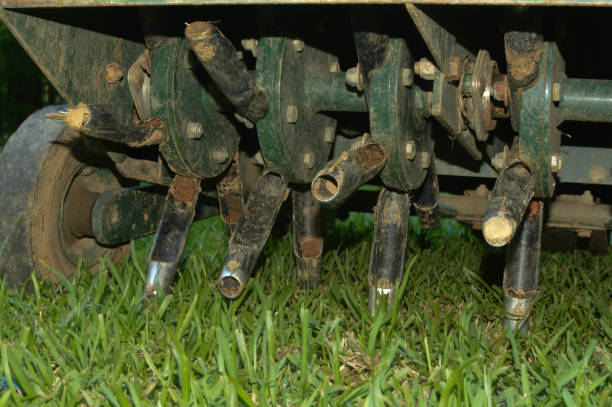
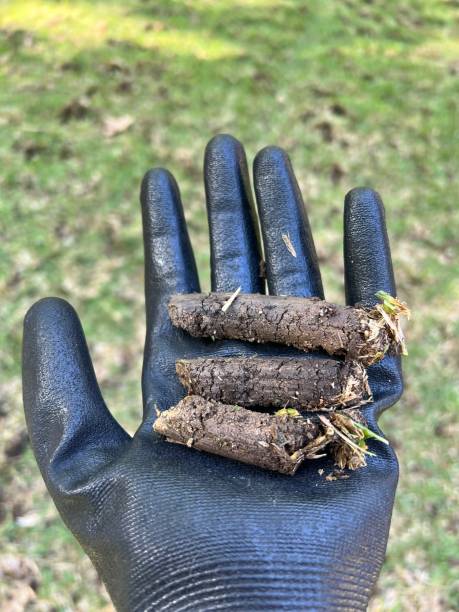
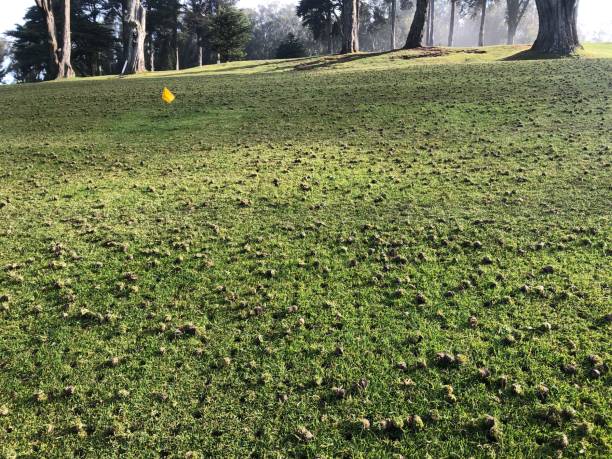
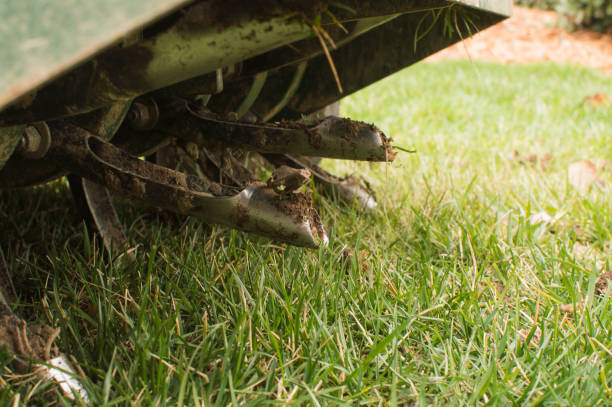
Recent Aeration & Lawn Recovery Work
Examples of the type of lawn improvement work we provide for homeowners throughout Bucks County.
Why Lawn Aeration Matters
Relieves Soil Compaction
Heavy foot traffic, mowing equipment, and natural settling compress soil particles over time, squeezing out the air spaces roots need to grow. Core aeration physically removes plugs of compacted soil, creating room for roots to expand and breathe.
Improves Root Growth
When soil is compacted, grass roots stay shallow and weak. Aeration opens up the soil profile, encouraging roots to grow deeper and stronger. Deep roots make your lawn more drought-resistant and better able to survive hot Pennsylvania summers.
Enhances Water Absorption
Compacted soil sheds water instead of absorbing it, leading to runoff and puddling. After aeration, water flows directly into the holes and reaches the root zone. This means less wasted water and better hydration for your grass.
Maximizes Fertilizer Effectiveness
Fertilizer applied to compacted soil sits on the surface where it can wash away or burn the grass. Aeration allows nutrients to penetrate directly to the root zone, making your fertilizer applications more effective and reducing waste.
What Our Aeration Service Includes
Core Aeration
We use professional core aerators that remove small plugs of soil from your lawn. This method is more effective than spike aeration because it actually removes material rather than just pushing soil aside. The cores left on the surface break down naturally and return nutrients to the soil.
Overseeding (Optional)
Aeration creates ideal conditions for new grass seed. The holes provide seed-to-soil contact that dramatically improves germination. We recommend overseeding immediately after aeration for thin lawns or to introduce improved grass varieties that resist disease and drought.
Lawn Assessment
Before aerating, we evaluate your lawn's condition, soil type, and compaction level. This helps us determine the right approach and whether additional services like overseeding or fertilization would benefit your property.
Clean-Up
We leave your property neat and tidy. The soil cores will break down on their own over 1-2 weeks, returning organic matter to your lawn. We clear any debris from walkways, driveways, and patios before we leave.
Best Time to Aerate in Pennsylvania
Timing matters for lawn aeration. In Bucks County, cool-season grasses like fescue and bluegrass grow most actively in spring and fall. These are the ideal windows for aeration because the grass can recover quickly and fill in the holes.
Fall Aeration (September - October)
Fall is the best time to aerate in Pennsylvania. The soil is still warm from summer, but air temperatures are cooling. Grass roots grow actively during this period, and there is less competition from weeds. Aeration in fall gives your lawn a head start on spring growth.
Spring Aeration (March - April)
Early spring is the second-best option, especially for lawns that missed fall aeration or have severe compaction. We aerate after the ground thaws but before temperatures get too warm. Spring aeration pairs well with pre-emergent weed control and fertilization.
We do not recommend aerating during summer (June through August). Heat stress makes it difficult for grass to recover, and the open holes can allow moisture to escape. If your lawn needs attention during summer, we can discuss other lawn care options.
Our Aeration Process
Getting your lawn aerated by Rish's Complete Lawn Care is straightforward and stress-free.
1. Request a Quote
Call us at (215) 718-5329 or fill out our online form. We will gather some basic information about your property and provide a free estimate. No obligation and no pressure.
2. Schedule Service
We schedule your aeration for the optimal time based on weather and grass conditions. For fall aeration, we recommend booking in August to secure your preferred date. Spring slots fill up quickly as well.
3. We Aerate Your Lawn
Our crew arrives with professional equipment and completes the job efficiently. We make multiple passes over your lawn to ensure thorough coverage, especially in high-traffic areas. If you have added overseeding, we apply seed immediately after aeration.
Where We Provide Lawn Aeration
We serve homeowners throughout central and upper Bucks County. Our primary aeration service areas include Warrington, Doylestown, and Hilltown, along with all the communities listed below.
Not sure if we cover your area? Give us a call at (215) 718-5329 and we will let you know.
Signs Your Lawn Needs Aeration
Puddling After Rain
If water pools on your lawn instead of soaking in, the soil is likely compacted. Aeration improves drainage and helps water penetrate to the root zone.
Thin or Patchy Grass
Compacted soil makes it hard for grass to spread and fill in. If your lawn looks thin despite regular watering and fertilizing, aeration can help open up the soil for new growth.
Hard Soil Surface
Try pushing a screwdriver into your lawn. If it is difficult to penetrate more than an inch or two, your soil is compacted and would benefit from aeration.
Heavy Foot Traffic
Lawns used by children, pets, or for entertaining get compacted faster than low-traffic areas. Annual aeration helps counteract the effects of regular use.
Related Services
Aeration works best as part of a complete lawn care program. Consider these services to maximize your results:
Lawn Care Program
Our comprehensive lawn care program includes fertilization, weed control, and seasonal treatments that work hand-in-hand with aeration to build a thick, healthy lawn from the roots up.
SOD Installation
If your lawn has large bare spots or thin areas that overseeding cannot fix, sod installation provides instant results. We can assess whether aeration and overseeding or sod is the right approach for your property.
Fall Cleanups
Fall is the perfect time for both aeration and yard cleanup. Our fall cleanup services remove leaves and debris, preparing your lawn for winter after aeration and overseeding.
Seasonal Cleanups
Spring cleanups pair well with spring aeration. We clear winter debris, edge beds, and prepare your property for the growing season ahead.
Helpful Aeration & Overseeding Guides
Each guide covers a different angle so you can pick the one that matches your question:
Best Way to Aerate a Lawn (Core vs. Spike)
Method comparison, timing, and prep — the practical how-to.
Full Benefits & Process Guide
What happens to your soil and grass through the full aeration-plus-overseeding cycle.
Best Grass Seed for Overseeding
Choosing the right seed mix for Bucks County conditions and your goals.
How Often to Aerate
Annual vs. every-other-year — how to read your lawn and pick the right cadence.
Why to Aerate Before Overseeding
The order matters — here's the science on why combining the two works better than either alone.
What to Expect After Service
The timeline week-by-week so you know what's normal as your lawn recovers and fills in.
Frequently Asked Questions About Lawn Aeration
What is lawn aeration and why does my lawn need it?
Lawn aeration is the process of removing small cores of soil from your lawn to reduce compaction and allow air, water, and nutrients to reach the grass roots. Over time, soil becomes compacted from foot traffic, mowing, and natural settling. Aeration relieves this compaction, promotes deeper root growth, and helps your lawn absorb water and fertilizer more effectively. Most lawns in Bucks County benefit from annual aeration.
When is the best time to aerate my lawn in Pennsylvania?
In Pennsylvania, the best times to aerate are early fall (September through October) and early spring (March through April). Fall aeration is ideal because cool-season grasses are actively growing and can recover quickly before winter. Spring aeration works well for lawns that missed fall treatment or have heavy compaction from winter. We do not recommend aerating during summer when heat stress can damage the lawn.
Should I overseed my lawn after aeration?
Yes, aeration creates the perfect conditions for overseeding. The holes left by the aerator allow grass seed to make direct contact with soil, improving germination rates significantly. Overseeding after aeration helps thicken thin lawns, introduce improved grass varieties, and fill in bare spots. We recommend combining aeration with overseeding for the best results, especially for lawns that look thin or patchy.
How often should I have my lawn aerated?
Most lawns benefit from annual aeration. However, the frequency depends on your soil type and lawn usage. Lawns with heavy clay soil, high foot traffic from children or pets, or those that get compacted easily may benefit from twice-yearly aeration. Sandy soils and low-traffic lawns may only need aeration every other year. We can assess your lawn and recommend the right schedule for your property.
How much does lawn aeration cost?
Lawn aeration cost depends on your lawn size, soil conditions, and whether you add overseeding. We provide free quotes based on your specific property. Aeration is one of the most cost-effective ways to improve lawn health, as it helps your fertilizer and watering efforts work better. Call us at (215) 718-5329 or request a free quote online.